The Complete Guide to ADUs in San Diego
Accessory Dwelling Units (ADUs) have become one of the hottest topics in San Diego real estate. With recent law changes making them easier to build, property owners are adding significant value to their homes. Here's everything you need to know.
What is an ADU?
An Accessory Dwelling Unit is a secondary housing unit on a single-family residential lot. Common types include:
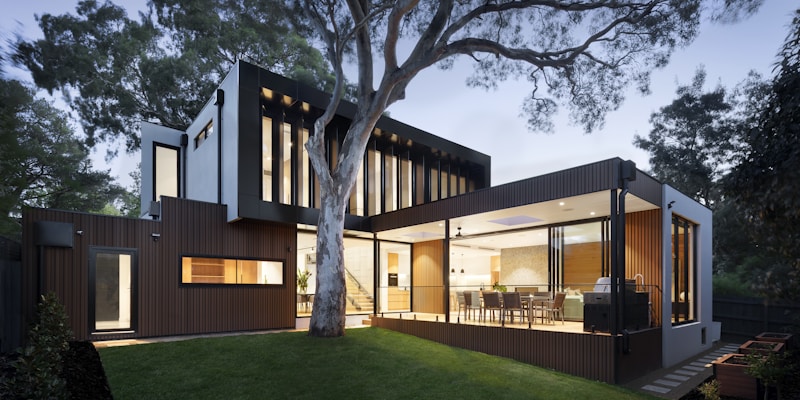
- Detached ADU: Standalone structure separate from main house
- Attached ADU: Connected to or part of the main house
- Garage Conversion: Converting existing garage to living space
- Junior ADU (JADU): Smaller unit (up to 500 sq ft) within existing home
Why ADUs Are Hot in San Diego
For Homeowners:
- Add $150K-$400K in property value
- Generate $1,500-$3,500/month in rental income
- House family members (aging parents, adult children)
- Create home office or studio space
For Investors:
- Increase cash flow on existing properties
- Better returns than traditional renovations
- Capitalize on housing shortage
- Build equity faster
Current San Diego ADU Regulations (2026)
California has made building ADUs significantly easier. Here are the key rules:
Size Limits
| ADU Type | Maximum Size | |----------|--------------| | Detached ADU | 1,200 sq ft | | Attached ADU | 50% of primary home (max 1,200 sq ft) | | JADU | 500 sq ft | | Garage Conversion | Existing footprint |
Setback Requirements
- Rear and side setbacks: 4 feet minimum
- No setback required for converting existing structures
- Height: Up to 16 feet (detached), 25 feet (attached)
Parking
- No additional parking required if:
- Within 1/2 mile of public transit
- Within historic district
- Permit parking area
- Car share available within 1 block
- Garage conversion (replacement not required)
Key Permissions
- HOAs cannot ban ADUs (can only impose reasonable design standards)
- No owner-occupancy requirement (for most ADUs)
- Ministerial approval (cannot be denied if compliant)
- 60-day permit approval deadline
ADU Costs in San Diego
Typical Cost Ranges
| ADU Type | Cost Range | |----------|------------| | Garage Conversion | $80,000 - $150,000 | | Prefab ADU | $150,000 - $250,000 | | Custom Detached | $200,000 - $400,000 | | Attached Addition | $175,000 - $300,000 |
Cost Breakdown
A typical 600 sq ft detached ADU might include:
- Plans/Permits: $10,000 - $20,000
- Site Work/Foundation: $25,000 - $40,000
- Framing: $20,000 - $35,000
- Electrical/Plumbing: $25,000 - $40,000
- HVAC: $8,000 - $15,000
- Finishes: $30,000 - $60,000
- Utility Connections: $10,000 - $25,000
Total: $128,000 - $235,000
Return on Investment
Rental Income Potential
| Size | Neighborhood | Monthly Rent | |------|--------------|--------------| | 400 sq ft Studio | Mid-City | $1,500 - $1,800 | | 600 sq ft 1BR | North County | $2,000 - $2,500 | | 800 sq ft 2BR | Coastal | $2,500 - $3,500 |
Value Added to Property
Based on my experience with ADU properties:
- Studio ADU: Adds $150K - $200K to property value
- 1BR ADU: Adds $200K - $300K to property value
- 2BR ADU: Adds $300K - $400K to property value
Example ROI:
- Build 600 sq ft ADU for $180,000
- Adds $250,000 in property value
- Generates $2,200/month ($26,400/year)
- Cash-on-cash return: 14.7% annually
The ADU Building Process
Step 1: Feasibility Assessment (2-4 weeks)
- Review property zoning and lot size
- Assess utility capacity
- Identify best location and type
- Get preliminary cost estimates
- Check HOA restrictions (if applicable)
Step 2: Design and Plans (4-8 weeks)
- Hire architect or purchase prefab plans
- Create site plan and floor plan
- Address energy efficiency requirements (Title 24)
- Prepare structural and MEP drawings
Step 3: Permit Application (6-12 weeks)
- Submit to City of San Diego Development Services
- Pay permit fees ($3,000 - $15,000)
- Respond to plan check comments
- Obtain building permit
Step 4: Construction (12-24 weeks)
- Site preparation and foundation
- Framing and exterior
- Utility rough-in
- Insulation and drywall
- Finish work
- Final inspections
Step 5: Final Approval (2-4 weeks)
- Pass final inspections
- Obtain certificate of occupancy
- Update property records
Total Timeline: 6-12 months typical
Financing Your ADU
Options include:
-
Home Equity Loan/HELOC
- Use existing equity
- Lower rates than construction loans
- Keep first mortgage intact
-
Cash-Out Refinance
- Access equity through new mortgage
- Potentially lower overall rate
- Single monthly payment
-
Construction Loan
- Borrow against future value
- Converts to permanent financing
- Interest-only during construction
-
ADU-Specific Programs
- CalHFA ADU Grant Program (up to $40,000)
- Some local programs available
- Fannie Mae ADU renovation loans
Common ADU Mistakes to Avoid
- Underestimating costs - Always add 15-20% contingency
- Ignoring utility capacity - Electrical panel upgrades add $5K-$15K
- Poor placement - Consider privacy, access, and views
- Skimping on design - Better design = higher rents and values
- Forgetting landscaping - Budget for outdoor improvements
- DIY permitting - Hire professionals for faster approval
ADU Investment Strategies
Strategy 1: Build and Rent
Best for long-term wealth building and steady income.
Strategy 2: Build and Sell
Add ADU, then sell property at premium (allow 6+ months post-completion).
Strategy 3: House Hack
Live in ADU, rent main house for higher income.
Strategy 4: Multigenerational Living
House parents or adult children while maintaining privacy.
How I Help with ADU Projects
As someone who's flipped 70+ homes, I understand construction, values, and investment returns. I can help you:
- Assess feasibility before you commit
- Connect with vetted contractors and architects
- Estimate realistic values and rents
- Navigate the sale if you're buying or selling an ADU property
Whether you're considering building an ADU or buying a property with ADU potential, let's discuss your goals.